Difficulty
Moderate
Steps
8
Time Required
- Foundation 8 steps

In Progress
This guide is currently being written. Reload periodically to see the latest changes.
Quiz
0
-
-
Clear vegetation from the site. We used the OSE pulverizer on the Life Trac 6.
-
You can strip off the topsoil, as well, or otherwise change the grade at this point. In our case, we had little topsoil and we liked the way the grade worked out by raising the building up on the gravel.
-
Cut down vegetation in a wide area around your building site, as well. 20' beyond where the gravel will be should be adequate. You will need room for the brick press and rollers, and to stage other materials, too. You will also need room for people to move around and work.
-
-
-
Have XX tons of gravel delivered. Make sure the truck has access to the site and has room to back up and drop the load where you want it.
-
-
-
The foundation from our first module has rebar projecting in all four directions to accommodate expanding in any direction that we wanted to.
-
Our next additions will not have rebar projecting in all directions because the design for the total build-out has been determined.
-
If one was to add on to a side of a foundation without rebar projections, one could use a long masonry bit and a hammer drill to create holes into the existing foundation. Then, rebar can be inserted into the holes and construction adhesive can be used to secure the rebar into place.
-
-
-
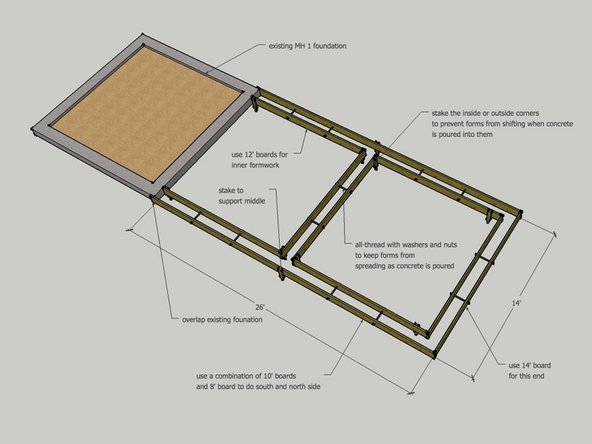
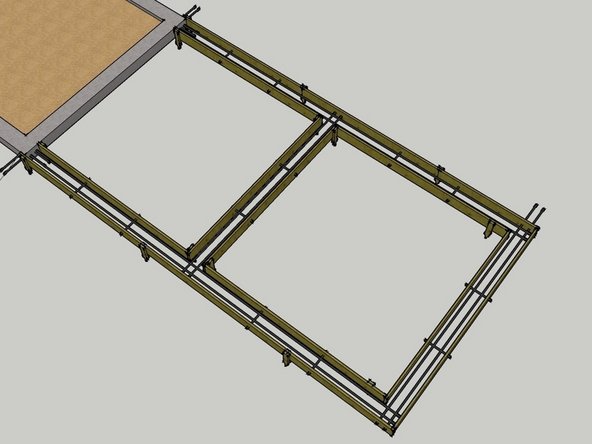
Review the drawing at left for an overview of what you are about to build.
-
-
-
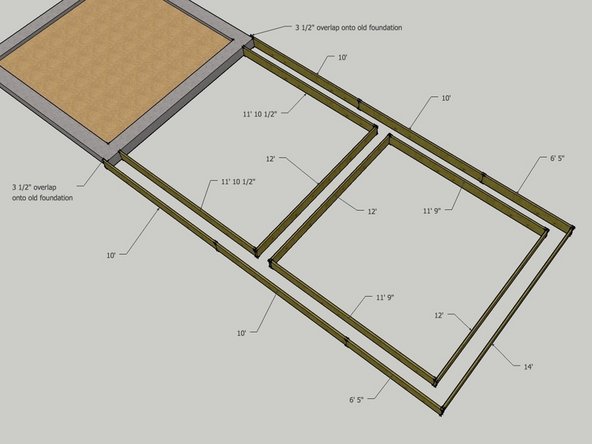
The image shows the cut list for the foundation module. You can also link to it and print it out here
-
Cut the 2x10 boards to the lengths shown in Image 1 or on the cut list in the link above.
-
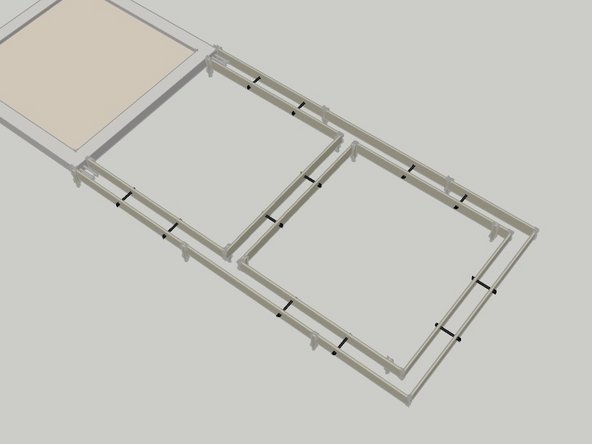
Also cut 12 pieces of all-thread to 18" in length. These will be positioned through the forms as shown in Image 2.
-
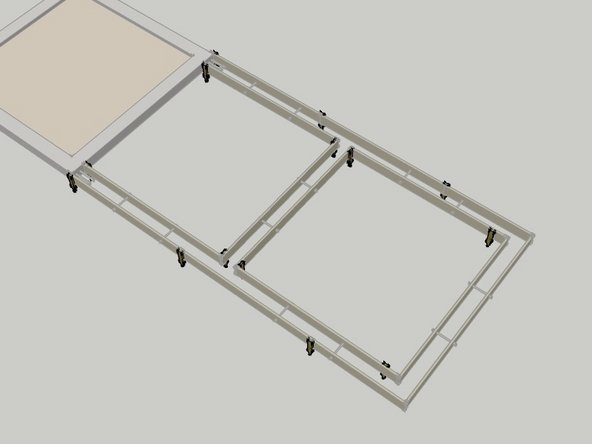
Make 14 wooden stakes about 20" long - this is a great way to put your scrap end cuts from other projects to good use! You can also use metal stakes that are specifically made for retaining concrete forms.
-
NOTE! If your overlap of the outside form board on the foundation module you are connecting to is not exactly 3 1/2", then the 6' 5" board will not come out to the right length.
-
-
-
Once you have the forms staked and the all-thread in place, you can lay the long pieces of rebar into the forms. These pieces rest on the all-thread which holds them halfway up the thickness of the foundation.
-
The rebar should be placed at the 1/3 points side-to-side of the foundation. Since the foundation is 12" wide, this means that the rebar is located 4" in from each side.
-
Tying the rebar to the all-thread with metal wire will hold it in place and make sure it does not get moved around as the concrete is poured.
-
-
-
We need to create a recess in the foundation where the door module will go. This allows the finish floor level to be slightly lower than the foundation, which keeps the CEBs elevated above the finish floor. This also will match the finish floor level of the MH 1 module.
-
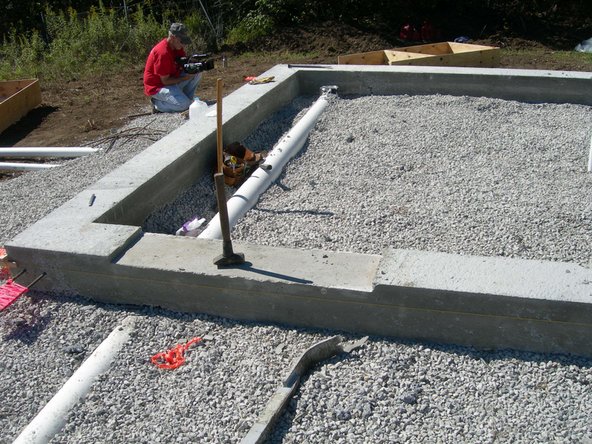
Image 1 shows the recess made for the door in the MH 1 foundation module.
-
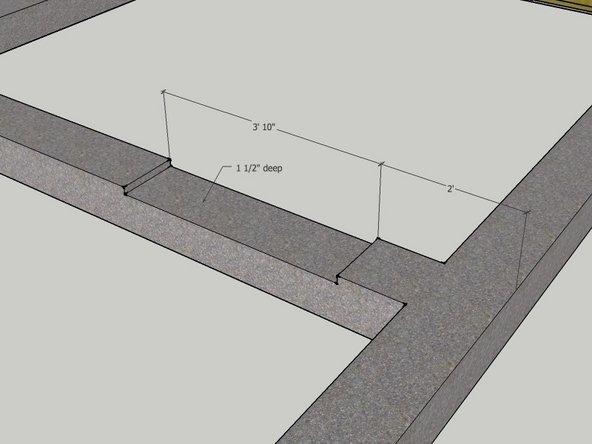
Image 2 shows the dimension from the exterior edge of the foundation and the dimension of the recess.
-
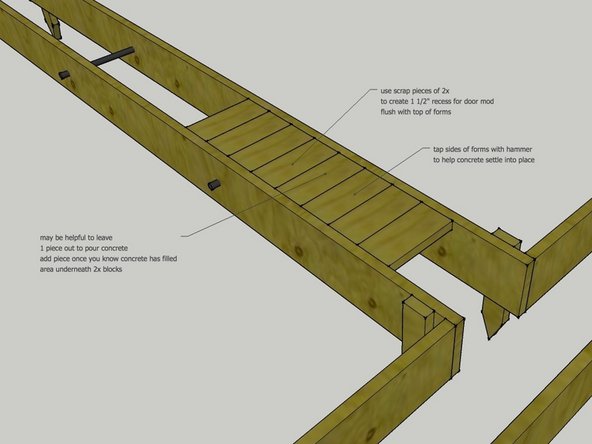
Image 3 shows one way of making this recess - using scrap pieces of 2x. See notes in the image for helpful hints.
-
-
-
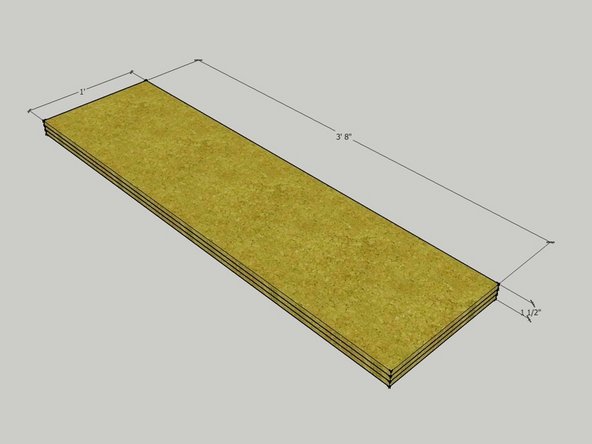
Create three "caps" like the image at left. These are 12" wide, 3' - 8" long, and 1 1/2" tall.
-
The easiest way to make it is to build up three layers of OSB or plywood to create those dimensions.
-